Digital Shame: How Social Media Reactivates Old Wounds

Digital Shame: How Social Media Reactivates Old Wounds
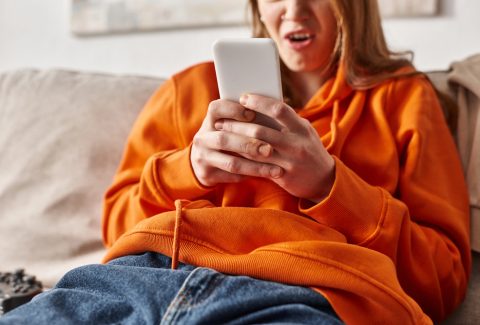
A client scrolls quietly at night. They pause on a photo. Someone their age. Someone successful. Someone glowing.
A thought appears: “I should be further along.” Then another: “What am I doing wrong?”
Within minutes, their mood shifts, and not because anything happened in their real life — but because something was activated inside. It was not envy, or weakness. Often, it was shame.
Shame: The Most Social Emotion
Shame is not just feeling bad about a behavior. It is feeling bad about the self. “I did something bad” is guilt. “I am bad” is shame. Research shows shame is deeply tied to social belonging and perceived evaluation (Tangney & Dearing, 2002). From an evolutionary standpoint, shame signals possible social exclusion — a threat the human brain takes seriously.
Why Social Media Is a Perfect Trigger for Shame
Social media environments contain three ingredients known to activate shame:
- Comparison — curated lives become measuring sticks.
- Visibility — people feel seen, but selectively.
- Evaluation — metrics imply judgment.
Research links social media use with body dissatisfaction and self-critical thinking (Fardouly & Vartanian, 2016).
The Old Wounds Beneath the Scroll
Social media rarely creates shame. It reveals where shame already lives. Digital environments can reactivate:
- Childhood criticism
- Emotional neglect
- Bullying histories
- Experiences of exclusion
- Family comparison dynamics
The Neuroscience of Social Pain
Social rejection activates neural pathways similar to physical pain (Eisenberger et al., 2003). To the brain, social threat is real threat.
Shame Thrives in Silence
Clients rarely say, “social media makes me feel ashamed.” They say:
- “It drains me”
- “I feel off after scrolling”
Shame hides beneath vague distress.
From Shame to Self-Compassion
Self-compassion reduces shame and increases resilience (Neff, 2011).
A Gentle Reflection
If a platform constantly shows people their “not-enoughness,” it is not surprising that old wounds resurface. Awareness gives choice, and choice restores agency.
SWEET Call to Action
Join the SWEET Institute’s March 13, 2026, conference: Scrolling Mindfully: Understanding the Impact of Social Media on Mental Health
Learn how to recognize digital shame, apply the SWEET Method, and use the Four Layers of Transformation in clinical work.
Registration is now open.
Scientific References
- Eisenberger, N. I., Lieberman, M. D., & Williams, K. D. (2003). Does rejection hurt? Science.
- Fardouly, J., & Vartanian, L. R. (2016). Social media and body image concerns. Current Opinion in Psychology.
- Neff, K. (2011). Self-compassion. William Morrow.
- Tangney, J. P., & Dearing, R. L. (2002). Shame and guilt. Guilford Press.