Some Wounds Are Moral, Not Only Psychological
Some Wounds Are Moral, Not Only Psychological
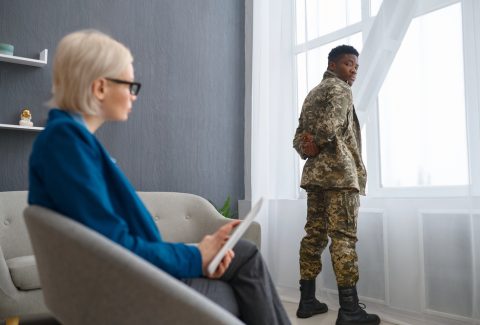
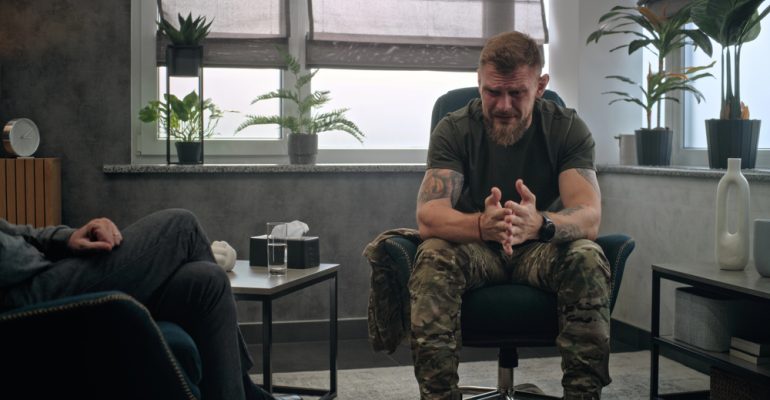
Not every wound begins with fear. Some begin with a decision made under impossible circumstances. An order carried out, an action witnessed but not prevented, or a life that could not be saved. Perhaps it is a betrayal by a leader, institution, or person once trusted; or a moment that continues to collide with everything the veteran believes about who they are or should have been. This is the territory of moral injury.
Post-traumatic stress may center on danger, threat, and survival. Moral injury may center on guilt, shame, betrayal, responsibility, and the belief that something sacred has been violated. The two can overlap, but they are not identical.
A veteran may know intellectually that there was no better choice and still feel morally responsible. Another may understand that an action occurred under orders yet remain unable to reconcile it with deeply held values. Someone else may be less troubled by what they did than by what an institution, leader, or trusted colleague failed to do.
These experiences cannot always be resolved by establishing that the danger has passed. The danger may be over, while the moral question remains painfully alive.
This is why symptom reduction alone may be insufficient. Better sleep may help, reduced hyperarousal may help, medication may help, and evidence-based trauma treatment may help. Yet the veteran may still be asking: What does this say about me? Can I live with what happened? Do I deserve forgiveness? Who am I now? How do I return to a world whose moral simplicity no longer feels believable?
Clinicians ought to resist rushing to reassure, correct, forgive, or reframe. Premature reassurance can unintentionally communicate that we do not fully grasp the weight of what the person is carrying.
We ought to first be willing to enter the moral and existential territory with the veteran: to listen carefully, tolerate complexity, examine responsibility honestly, distinguish guilt from global self-condemnation, and help rebuild a life in which accountability, compassion, connection, and meaning can coexist.
Some experiences injure more than the nervous system. They disrupt identity, belonging, trust, and the person’s relationship with their own conscience. Some wounds are carried not only in memory, but in meaning.
Join us on Friday, November 13, 2026, from 9:00 a.m. to 1:00 p.m. ET for Veteran Mental Health: Beyond PTSD—From Understanding to Transformation, a four-hour interactive virtual conference.