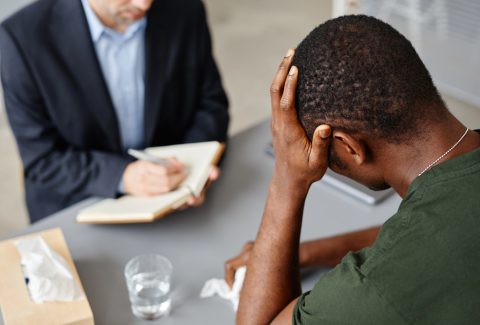
Veteran Mental Health: Beyond PTSD
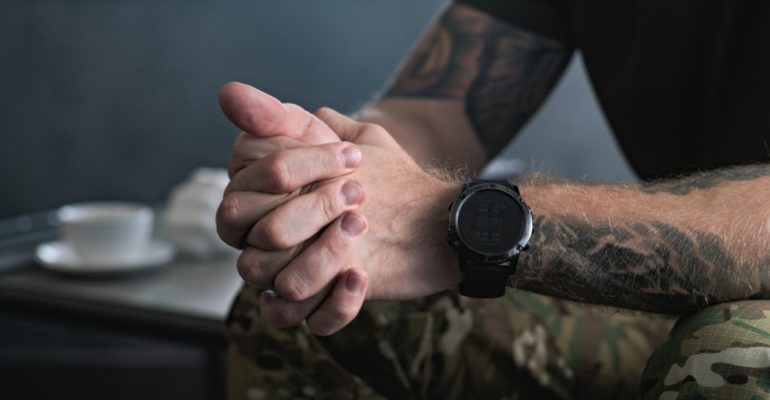
Veteran Mental Health: Beyond PTSD
PTSD Is Only Part of the Story
Mention veteran mental health, and PTSD is often the first thing that comes to mind. There is good reason for this. PTSD can profoundly affect sleep, relationships, work, physical health, trust, emotional regulation, and the ability to feel safe. It deserves careful assessment and effective treatment.
However, PTSD is only part of the story. A veteran may be struggling with depression, anxiety, substance use, chronic pain, traumatic brain injury, sleep disturbance, grief, homelessness, relationship disruption, or suicidal thoughts. Yet even this list remains incomplete because diagnoses describe only part of what a person may be experiencing.
What about the veteran who no longer recognizes the person they became during military service? The veteran who misses the clarity of a mission but cannot find purpose in civilian life? The veteran who feels disconnected from people who have never shared the experience of service? The veteran carrying guilt about something done, witnessed, or left undone? The veteran who returned home physically but has never felt that they fully arrived?
These experiences may not fit neatly into a diagnostic category. They may involve identity, belonging, morality, responsibility, grief, betrayal, and meaning.
We must also resist assuming that every veteran has experienced combat, that every veteran exposed to trauma develops PTSD, or that every difficulty after service is caused by military experience. Veterans are not a single psychological type. They differ by service era, branch, assignment, culture, race, gender, age, discharge status, family experience, and the meaning military service holds for them.
The question, therefore, cannot be only, “Does this veteran have PTSD?” We need to also ask: What has this person lived through? What has been lost? What remains unresolved? What has this veteran’s body learned to anticipate? What beliefs became necessary for survival? Where does this person now experience belonging? What gives life meaning? What does this veteran need from us, and what might we be missing because we began with a diagnosis rather than a person?
PTSD matters. Yet when PTSD becomes the entire lens through which we view veteran mental health, we may identify the disorder and still fail to understand the veteran.
When we look only for PTSD, we may find PTSD and miss the person carrying it.
Join us on Friday, November 13, 2026, from 9:00 a.m. to 1:00 p.m. ET for Veteran Mental Health: Beyond PTSD—From Understanding to Transformation, a four-hour interactive virtual conference. Together, we will move beyond diagnosis to explore the whole veteran and translate deeper understanding into more responsive, effective, and transformative care.