What Looks Like a Symptom May Have Once Been a Survival Skill

What Looks Like a Symptom May Have Once Been a Survival Skill
Hypervigilance, emotional restraint, mistrust, or self-reliance. Rapid threat detection, difficulty relaxing, or reluctance to ask for help.
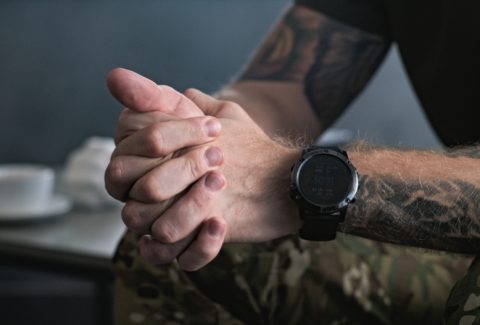
In civilian life, these responses may be described as symptoms, resistance, avoidance, rigidity, or poor engagement. Yet in a military environment, some of these same responses may have helped someone function, protect others, complete a mission, or survive. The nervous system learns from experience. When danger is possible, vigilance becomes protective. When hesitation carries consequences, rapid action becomes necessary. When other people’s lives depend on you, control and responsibility may become deeply embedded. When vulnerability feels unsafe, emotional restraint may become a form of armor.
The difficulty is that the body and mind do not automatically abandon these adaptations when the environment changes. A veteran may return home, yet continue scanning every room. A quiet night may feel unsettling rather than peaceful. Depending on others may feel dangerous. An unexpected sound may activate the body before the mind knows why. Emotional closeness may require lowering protections that once felt essential.
This does not mean that every veteran has these experiences. It also does not mean that understanding the origins of a behavior requires accepting every consequence it produces. Anger can damage relationships. Alcohol can become destructive. Isolation can deepen depression. Hypervigilance can make rest nearly impossible. However, transformation rarely begins with condemnation. It begins with curiosity.
Instead of asking only, “How do we stop this behavior?” we might ask: “What did this response once accomplish? What does the person’s nervous system still believe is necessary? What danger is being anticipated? What would need to become possible before this protection could soften?”
The goal is not to strip away a veteran’s defenses without understanding why they developed. The goal is to help the person determine whether an old survival response is still needed, where it remains useful, where it has become costly, and what can gradually take its place.
A response can be protective in one environment and painful in another. That does not make it irrational. It makes it learned.
In this vein, before trying to eliminate a response, understand what that response once helped the person survive.
Join us on Friday, November 13, 2026, from 9:00 a.m. to 1:00 p.m. ET for Veteran Mental Health: Beyond PTSD—From Understanding to Transformation, a four-hour interactive virtual conference.