Leaving the Military Is More Than Changing Jobs
Leaving the Military Is More Than Changing Jobs
Leaving the military may look like a change in employment. For many veterans, it can mean leaving an entire world. Military service can provide structure, mission, shared language, identity, responsibility, community, and a clear understanding of how one contributes to something larger than oneself. Roles are defined. Expectations are explicit. Others understand the culture because they are living it too.
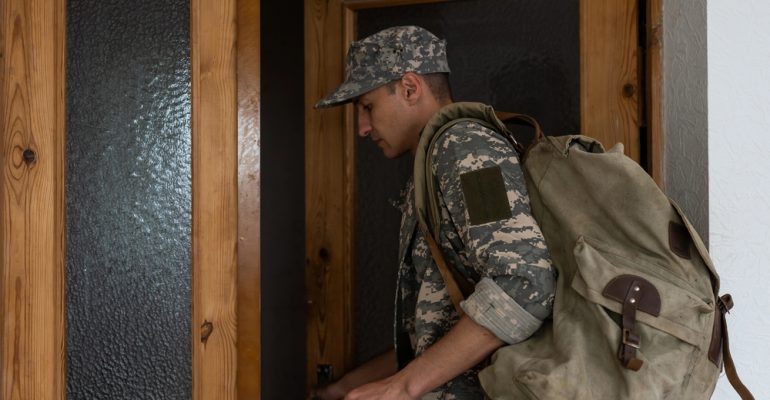
Then the veteran returns to civilian life and is expected to “adjust.” But adjust to what? The structure may be gone. The mission may feel unclear. Civilian workplaces may seem fragmented or lacking in purpose. Relationships may have changed. Skills that carried enormous responsibility in the military may not translate neatly onto a résumé. The people nearby may care deeply but still not understand the experience of service. The veteran may have returned home while feeling that the world once called home no longer fits.
This transition does not affect every veteran in the same way. Many adapt successfully and build deeply meaningful civilian lives. Yet when difficulties arise, we should not automatically reduce them to an individual disorder. Depression may be intertwined with loss of purpose. Isolation may reflect the absence of trusted community. Irritability may emerge from navigating environments that feel disorganized or meaningless. Substance use may temporarily recreate connection, quiet internal distress, or fill unstructured time. Suicidal thinking may intensify when a person no longer experiences themselves as needed, useful, or connected to a future.
If we focus only on symptoms, we may prescribe treatment while overlooking the world that disappeared.
Supporting veteran mental health may therefore require more than helping someone cope with the past. It may require helping the person build a future: new roles, reciprocal relationships, meaningful work, community, belonging, and a renewed sense of contribution. The question is not simply, “How is the veteran adjusting to civilian life?” We must also ask, “How well is civilian life receiving the veteran?”
Sometimes the veteran has not merely lost a job, a title, or a uniform. The veteran has lost the world in which their role made sense.
Join us on Friday, November 13, 2026, from 9:00 a.m. to 1:00 p.m. ET for Veteran Mental Health: Beyond PTSD—From Understanding to Transformation, a four-hour interactive virtual conference.